Born on March 8th, 1909 (now coincidently International Women’s Day), in Waterlooville, Hampshire, Beatrice ‘Tilly’ Shilling's life journey embodies the essence of determination and ingenuity in the field of engineering. Throughout her career, Shilling made significant contributions to aeronautical engineering, shaping the outcome of numerous inventions.
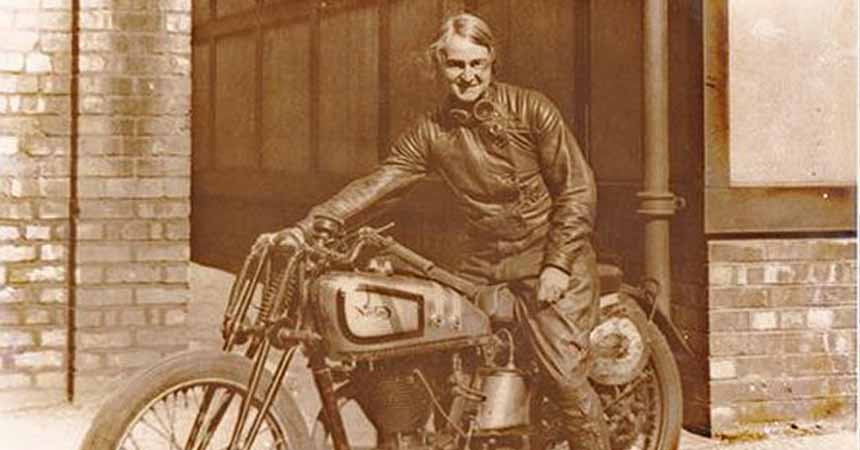
From an early age, Shilling showed a keen interest in engineering and mechanics. Her passion for problem-solving manifested in childhood endeavours, such as spending her pocket money on hand tools and winning a prize in a national Meccano contest. At just 14 years old, she purchased a motorcycle, teaching herself to disassemble and reassemble it’s two-stroke engine—a testament to her determination to pursue a career in engineering, not knowing what was yet to come.
Shilling's contributions to engineering became evident during her work on Merlin Engines, where she tackled and solved the challenge of overcoming power loss during negative-g manoeuvres. Her innovative mind showcased her problem-solving and technical abilities. This accomplishment solidified her reputation as a pioneering figure in aeronautical engineering and earned her widespread acclaim within the industry.
Following her success with Merlin Engines, Shilling continued to push the boundaries of engineering excellence. In the aftermath of World War II, she played a pivotal role in the development of the renowned Blue Streak Missile. Additionally, her research on the effects of wet runways on braking systems highlighted her commitment to enhancing safety and efficiency in aviation.
Beyond her contributions to aeronautical engineering, Shilling's diverse interests and talents extended to other realms of engineering and design. Notably, she played a key role in the design and construction of a bobsled for the Royal Air Force's Olympic team—an achievement that highlighted her versatility and creativity in tackling engineering challenges across different disciplines.
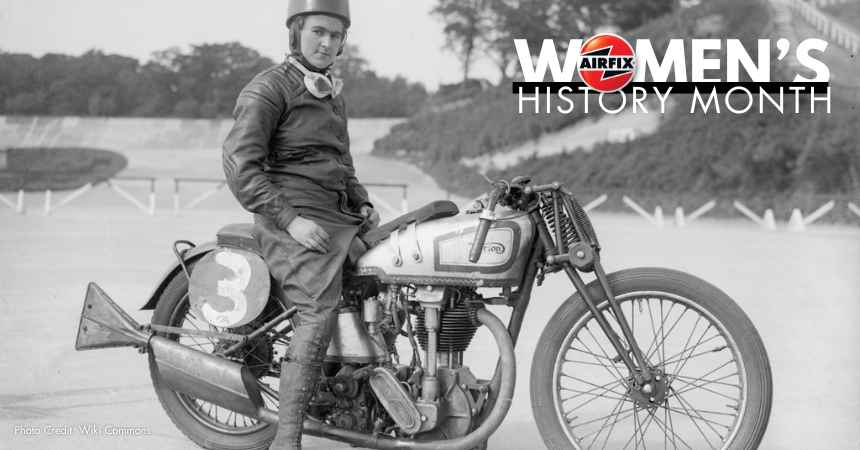
In the 1930s, Shilling ventured into motorbike racing, showcasing her love for speed and engineering. Her remarkable skills earned her recognition at the Brooklands racetrack, where she modified her own motorcycle and claimed victory in a race. However, her triumph was overshadowed by the prevalent gender bias of the time. During an interview, she faced a judgmental comment, "I suppose the men let you win", reflecting the challenges women encountered and still encounter in male-dominated fields.
Undeterred by such attitudes, Shilling continued to push boundaries. On August 24th, 1934, she shattered expectations by lapping the Brooklands circuit at over 100mph, achieving an average speed of 101.85mph. This remarkable feat not only highlighted her exceptional talent but also marked her as the second woman ever to accomplish such a milestone.
Beatrice Shilling's legacy continues to inspire future generations of innovators and pioneers. Her remarkable achievements serve as a testament to the power of perseverance, passion, and relentless pursuit of excellence in the search of scientific and technological advancement.