As we approach the 80th anniversary of the Dambusters Raid, we turn back time and look at some key dates in history, exploring events which happened on the weeks leading up to her raid, 80 years ago to the month.
Often referred to as the turning tide of WWII, this operation required intense training, both physically and mentally. The crews would be required to fly their Lancasters at low level both day and night and over some of the most demanding terrain in the UK.
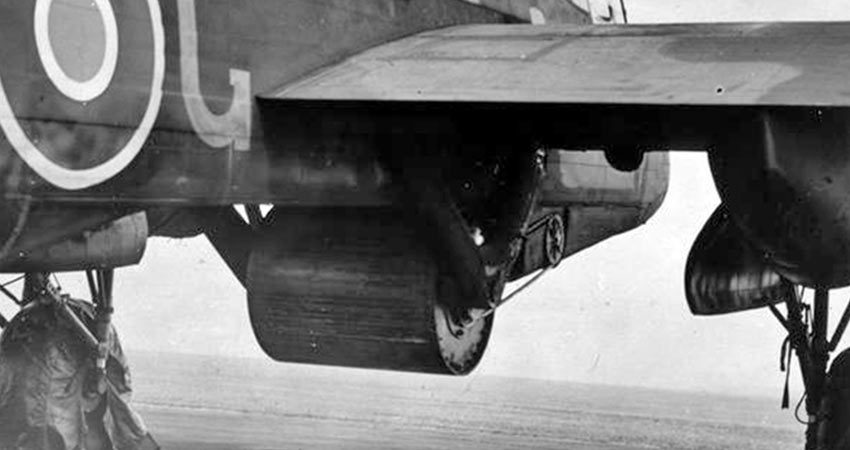 This fascinating picture shows the Upkeep bomb and spin inducing drive mechanism underneath Gibson’s Lancaster ED932 AJ-G
Tuesday 16th May marks the 80th anniversary of when nineteen specially modified Avro Lancasters took off from RAF Scampton and headed in three waves towards the Ruhr Dams - the Battle of Britain Memorial Flight intended to mark this significant occasion by flying their Lancaster down the Derwent Valley and over Eyebrook Reservoir and the lure of this historic occasion proved simply too much to for this enthusiast to resist.
The story of the RAF’s Dambusters is one which has stirred immense national pride over the years and serves to underline the skill and mental fortitude of the young men and women who served in the Royal Air Force during the Second World War. As this raid is perhaps the most famous single bombing mission in the history of warfare, the story of Guy Gibson and his famous Dambuster Squadron is familiar to most people, but this latest landmark raid anniversary has only served to renew interest in these brave men and their unique bombing mission.
Despite most people’s awareness of the raid, many of the actual details are even more astonishing than we allow ourselves to consider, particularly when understanding just how little time the crews had to train for what was a highly technical and extremely hazardous ‘first use’ of this unique weapon and delivery system. Wing Commander Guy Gibson had only started assembling his ‘Specialist Squadron’ in March of 1943 and at the time, had no idea of the nature of the mission for which he and his crews would be training.
Selected crews were assembled at RAF Scampton under the utmost secrecy and began their intensive flying training immediately, using a collection of mission hardened Lancasters from various Bomber Command Squadrons around the country.
If you have family who were involved in the operation in any way, we would love to hear from you. Please email to marketing@airfix.com.