Welcome to the latest edition of our weekly Workbench blog, and all the news, updates, and modelling exclusives from the fascinating world of Airfix.
We find ourselves returning to the subject of significant aviation related anniversaries in this week’s edition of Workbench, as we bring you not one, but two blog posts connected to two of the most significant aircraft to have ever performed on the UK Airshow circuit. In this post, the focus of our attentions will be the last flight of a famous aircraft type in Royal Air Force service, one which served as a British icon throughout the Cold War era, and one which would relinquish its official RAF display duties, only to later take its place on the UK Airshow circuit in private hands. Incredibly, for a seven year period, she would become the world’s most complex aircraft restoration project ever to return to flying condition, referred to by millions of people simply by her military serial number XH558. Captivating the UK Airshow scene for seven truly unforgettable years, not only did she command record crowds wherever she performed, but she would also be known as ‘The Spirit of Great Britain’, and arguably, the most famous aircraft to ever appear on the UK Airshow scene.
In our second, separately published post for the week, we will be marking another significant British aviation anniversary, but one connected to an enemy aircraft from an earlier era of flight. Flown operationally by the Luftwaffe at the end of 1942, this aircraft was captured by Allied troops just a few days later, and was subsequently flown by the RAF’s enemy aircraft flight back in the UK. This historic machine would eventually take its place on the UK Airshow scene as the only original German combat aircraft flying anywhere in the world, following the completion of a 20 year restoration project which became the life’s work of a very special man a handful of volunteer professionals.
Two of the most famous aircraft to have ever flown on the UK Airshow circuit are our Workbench subjects for this weekend, as both celebrate significant anniversaries this month, and both will help to get us all a little excited for the coming Airshow season.
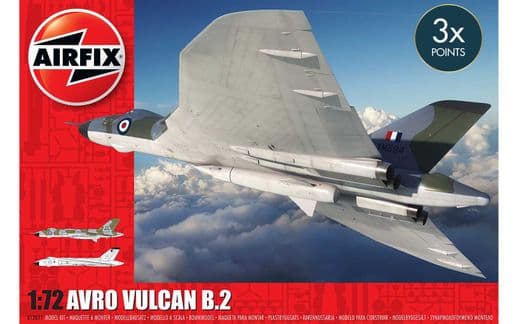
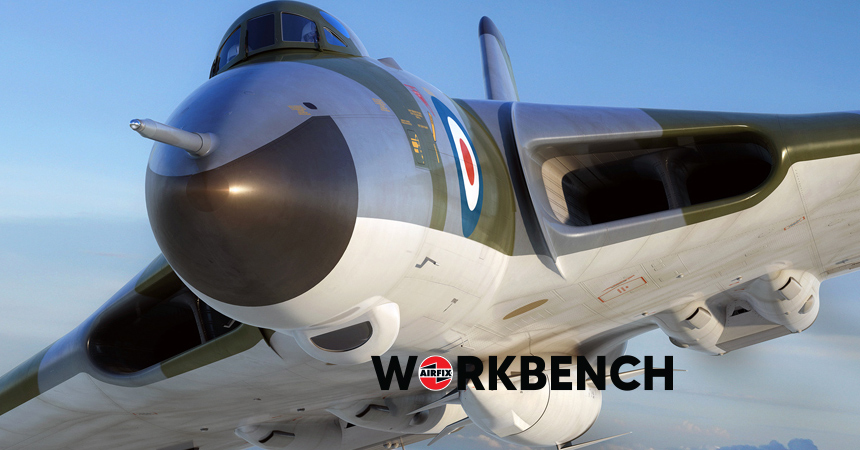
An icon of the Cold War and an aircraft possessing unimaginable destructive potential, the Avro Vulcan would become a firm aviation favourite with the British public.
If our other blog post for this week features a unique aircraft which became a firm favourite with the country’s legions of historic aviation fans, the focus of our attentions this time around is an aircraft which really is without equal in the world of historic aviation, one which captivated millions and made aviation enthusiasts out of people who had previously shown little or no interest in aeroplanes. A hugely complex aircraft which on leaving RAF service, would incredibly make a triumphant return to flight fourteen years later and with it, became both the most popular Airshow display act ever to perform on the UK scene, and create a welcome attendance phenomenon which became known as the ‘Vulcan Effect’.
This blog tribute is being posted to coincide with next Monday’s 33rd anniversary of the final flight of an Avro Vulcan in Royal Air Force service, the same aircraft which was the first B.2 variant allocated to RAF service, the longest serving Vulcan of all the mighty deltas produced, and the one which would go on to post a further seven years of service in airworthy condition following her return to flight in October 2007 under the ownership of the Vulcan to the sky Trust.
On a windy morning at RAF Waddington in March 1993, a crew led by Sqn Ldr Dave Thomas prepared to make the final flight of an Avro Vulcan in Royal Air Force service, with that aircraft being Vulcan B.2 XH558, the longest serving of all the RAF Vulcans. The aircraft was due to be delivered to its new civilian owners at Bruntingthorpe Airfield in Leicestershire, but prior to that, the delivery flight would see the aircraft overflying some of the airfields connected with this ‘mighty delta’ during its impressive service career.
When XH558’s wheels touched down on the runway at Bruntingthorpe on that fateful day, thousands of enthusiasts had turned out to witness the historic occasion, with every one of them unsure as to whether they were witnessing the final time a Vulcan would ever be seen in British skies, but happy that this magnificent example had been saved from a date with the scrap man’s axe. As we now know, XH558 would make a triumphant, if slightly unexpected return to flight 14 years later, and for a memorable 7 year period, would become the darling of the UK Airshow scene, referred to as the ‘Spirit of Great Britain’ – how we all loved our Vulcan.
How on earth did they manage to get a former RAF Avro Vulcan displaying on the UK Airshow scene, 14 years after its last service flight?
When Avro Vulcan XH558 made its first flight from the company’s Woodford aerodrome on 21st May 1960, few could have known that this first upgraded B.2 variant of the Vulcan made available for squadron service, would go on to be arguably one of the most famous individual aircraft in the history of British aviation. Delivered to Waddington on 1st July that same year, she became the RAF’s first Vulcan B.2, initially serving with No.230 Operational Conversion Unit, but later also with Nos.44, 50 and 101 Squadrons of the Waddington Wing.
During an interesting service career, XH558 would become one of only nine Vulcans selected for conversion to SR.2 standard and use by No.27 Squadron in the long-range maritime radar reconnaissance role, also possessing the ability to collect air samples from extremely high altitudes, for scientific analysis.
Although not directly taking part in the Falklands War, the conflict would have an impact on six Vulcan airframes, which included XH558, as Victor tanker fatigue issues and the lack of a suitable alternative called for drastic action. As a ‘stop-gap’ measure, these Vulcans were converted to K2 Tanker standard and given the ability to provide air-to-air refuelling support for RAF aircraft. Modified to include three additional internal fuel tanks and a single hose-drum unit under the rear tail-cone area of the aircraft, these Vulcans proved surprisingly effective in the role, particularly when considering it only took six days from the first flight of the modified prototype airframe to the type’s service introduction – more success for the Avro’s talented technicians.
Ultimately, the service days of the RAF’s Vulcan force were already numbered, and aircraft withdrawals started to take place from the end of 1980, with many ending up either scrapped, or on an airfield fire dump. Most of the final aircraft in service ended up being the K2 tanker conversions on strength with No.50 Squadron, however, with the disbandment of this unit on 31st March 1984, the operational service career of the Vulcan was over. The final service withdrawal date for Vulcan XH558 is documented as being 17th September 1984, however, there was something special about this particular Vulcan, and she seemed destined to continue to preserve the heritage of this most distinctive of aeroplanes.
XH558 was initially allocated the role of spares aircraft for the main and reserve Vulcans assigned to the RAF’s Vulcan Display Flight.
Reflecting the incredible affection in which the public held the world’s first delta bomber, the Royal Air Force were persuaded to keep an aircraft active on the UK Airshow circuit, and formed the Vulcan Display Flight, maintaining a single aircraft for Airshow demonstration purposes. Not a universally popular decision within the force, it has to be said that the unit’s initial ambitions were limited to say the least, but the Vulcan was always a display highlight, and the Flight would always enjoy great public support.
The aircraft which was initially allocated to display duties was XL426, with XH560 held as the reserve aircraft, should XL426 become unserviceable. Our Vulcan XH558 was stored at RAF Marham with the intention of using her as a spares aircraft, but again, she had no intention of going quietly. With XL426’s fatigue hours fast running out, it was decided to transfer display duties to the reserve aircraft, but when it was later discovered that the stored XH558 had longer flight hours remaining, it was decided that she should be given the responsibility.
With XL426 being sold to a private owner and flown to Southend Airport where she remains under the care of the Vulcan Restoration Trust, XH558 was converted back from tanker configuration to that of a B.2 bomber, and would make her first public display as the Vulcan Display Flight display aircraft in May 1985. She would go on to thrill millions of people at Airshows over the next few years, with her dynamic displays of almost fighter like performance belying her status as Britain’s delta nuclear bomber, and only serving to cement her reputation in our affections.
For the next seven years or so, she would be the highlight act at many an Airshow event as the last flying Vulcan in the world, and even inspire a small band of committed enthusiasts to establish a fund raising campaign with the aim of keeping the aircraft flying indefinitely, following her around the country as Vulcan groupies, wherever she was scheduled to perform.
It’s incredible to learn that work on the Avro Vulcan stated just five years after the service introduction of the Lancaster.
Unfortunately, the inevitable service cost saving considerations soon brought about the disbandment of the Vulcan Display Flight, and on 20th September 1992, Avro Vulcan XH558 performed her final display as an RAF aircraft at Cranfield airfield, prior to heading for something of an uncertain future. The first Vulcan B.2 to enter RAF service, XH558 would also take the honour of being the last of the Royal Air Force Vulcans.
Put up for disposal, the aircraft was subsequently purchased by a private buyer and flown to the former RAF airfield at Bruntingthorpe on 23rd March 1993, the last flight of a Vulcan in RAF service. She would be maintained at Bruntingthorpe in ground running condition, the future star attraction of their popular ‘Cold War Jets - Rolling Thunder’ fast taxi run events, where an impressive collection of former RAF and Royal Navy jet aircraft would blast down the length of the airfield’s runway. Despite being well cared for and housed in her own hangar, the future of this majestic aircraft continued to remain uncertain, even though tantalising rumours about a return to flight bid started to circulate.
As the most popular attraction at Bruntingthorpe’s Cold War Jets events, the new owners of Vulcan XH558 were left in absolutely no doubt as to the affection in which their new acquisition was held by the public, however, returning a 60 ton former RAF V-force bomber to the skies in civilian hands was surely nothing more than an aviation pipe dream, albeit an incredibly appealing one. If they were to succeed, they would have to negotiate the most complex aircraft return to flight project ever attempted, and with no end of potential pitfalls to negotiate, the ambitious ‘Vulcan to the Sky’ project was surely destined for failure. While the aviation world looked on with interest, most people were probably doubtful that they would ever see such a project leave the ground.
Over the course of the next few years, this hugely challenging undertaking continued apace, with the complexity and eye watering costs associated with the project ensuring that the term Avro Vulcan always went hand in glove with the need for ever more money. Miraculously, thanks to the determination and professionalism of the project team and the generosity of thousands of individuals and business owners who became Vulcan supporters almost overnight, they did it - they actually returned a Vulcan bomber to airworthy condition and significantly, received CAA clearance to begin a test flying program.
Even as XH558 powered up her engines and howled down the runway at Bruntingthorpe on 18th October 2007, millions of incredulous onlookers could hardly believe what they were seeing. Overcoming seemingly insurmountable odds, the only flying Vulcan immediately became the most famous historic aircraft anywhere in the world and with it, the most complex aircraft on the British civilian register.
It's somehow fitting that the first post restoration Airshow appointment for Vulcan XH558 was RAF Waddington, an airfield which played host to so many Vulcans during their service careers.
Successfully completing her first post restoration flight, it would not be until the following July that she would make her public display debut, which rather fittingly took place at the RAF Waddington Airshow, an airfield which previously served as home to so many Vulcans. That first display marked the beginning of Britain’s love affair with an aviation relic of the Cold War and one of the most distinctive aircraft to have ever taken to the skies.
As arguably the most popular aircraft to have ever graced the display program of a British Airshow, Vulcan XH558 proved to be a huge crowd puller over the next few years, guaranteeing large attendance numbers at any event where she was scheduled to appear. Given the unofficial title of ‘The Spirit of Great Britain’, the Vulcan commanded a level of enthusiast support other aircraft could only dream of emulating, and when requests for additional funding support were made by the team, these funds were always forthcoming, either from donations made by a Vulcan adoring public, or from wealthy benefactors who knew what it meant to be associated with XH558.
Creating an aviation phenomenon known as the ‘Vulcan Effect’, any event which promised the appearance of the Vulcan could count on huge crowds of people turning up, not only inside the event, but creating a policing issue by blocking surrounding roads, so popular was this magnificent aircraft.
Unfortunately, even this much loved aeroplane which seemingly made a habit of defying the odds at every turn couldn’t continue flying forever. With the aircraft being completely reliant on the technical support of some huge businesses, news that this essential technical support could not continue past the 2015 Airshow season put Vulcan fans on notice, but did allow the nation one final season to say their goodbyes.
Such a magnificent sight, Avro Vulcan XH558 stimulated incredible interest in Airshows, and introduced millions of people to the fascinating world of aeroplanes.
As you might expect, this advanced notification only resulted in the aircraft being in even more demand than she usually was, as every show it was booked to attend would be the last time it would display there, and enthusiasts were desperate to be amongst the crowd experience the Vulcan at their favourite event. They also wanted their loved ones to have the opportunity to see this stunning aeroplane before it was grounded forever.
Perhaps the highlight of that final display season was the aircraft’s performance at the massive Royal International Air Tattoo and a chance for the largest crowds of the Airshow season to bid farewell to XH558. Beautiful weather ensured large numbers of people were in attendance for this sad occasion, however, in true Vulcan style, the flight crew were in no mood to let their unique aircraft pass into the aviation history books in a sedate and graceful manner. Those fortunate enough to be in attendance during the Sunday display will have been thrilled to have witnessed a particularly spirited take off at the start of her display, physical confirmation of why the Vulcan was loved so much.
As the date of the final flight Vulcan drew close, the Vulcan to the sky team arranged for an ambitious ‘National Tour’ to take place, allowing as many people as possible to say their goodbyes to XH558, something which saw unprecedented numbers of people turning up at each of the waypoints on the flightpath. Taking place over the weekend of 10th/11th October 2015, I elected to pay my own personal Vulcan respects at the former Avro airfield at Woodford, birthplace of Avro Vulcan B.2 XH558 and the perfect location from where to say my goodbyes.
RIAT 2015 was unquestionably the year of the Vulcan and gave the nation’s enthusiasts one final opportunity to say goodbye to XH558. She took the opportunity to do so in some style – how we miss those displays.
For an occasion such as this, Vulcan XH558 was afforded a suitable aviation guard of honour.
The date all Vulcan enthusiasts had been dreading occurred on 28th October 2015 at Doncaster Sheffield Airport, the former RAF Finningley. On a damp, grey day in Yorkshire, this sad occasion was witnessed by those who had dedicated so much of their time to keeping this magnificent delta on the UK Airshow circuit over the previous seven years, and also those enthusiasts who simply couldn’t obey the official requests not to gather around the airport on the day.
When she landed for that final time, there wasn’t a dry eye in the house, but as the official commentator on the day so eloquently articulated, ‘Don’t cry because it’s over, smile because it happened’. What a poignant way with which to bring her flying days to a close.
Posting this blog to commemorate the 33rd anniversary of the final flight of an Avro Vulcan in Royal Air Force service, that significant flight was undertaken by XH558 as she flew from her home base at RAF Waddington to her new home at Bruntingthorpe, and as we now know, she would have several other accolades to her name.
She was:
• The first Vulcan B.2 to be allocated to RAF squadron service
• Would be the final Vulcan in RAF service
• Be the longest serving of all the RAF Vulcans
• Be the last flying Vulcan anywhere in the world
• And become the most complex former military aircraft to ever appear on the UK Airshow circuit.
‘Don’t cry because it’s over, smile because it happened’.
It will be eleven years this coming October since Britain last saw a Vulcan gracing the nation’s skies, however, the enduring affection in which this famous aircraft continues to be held means that we never need an excuse to remember those spectacular Vulcan years, and an aircraft that meant so much to so many people.
If you saw her fly, you’ll probably never forget the experience!
We're afraid that's all we have for you in this latest edition of the Airfix blog, but we will be back next Friday with more project development updates and the very latest Airfix kit exclusives. In the meantime, we're always keen to hear your views on all things Airfix and in particular, any thoughts and opinions you may have regarding our Workbench blog. If you would like to drop us a quick line, could we please ask that you use our workbench@airfix.com email for all correspondence.
To re-visit any of the Airfix blogs we have produced over the past TEN years or so, please head to our main Workbench hub, where you'll find our entire blog back catalogue and all the Airfix design projects we have already covered.
All our dedicated official social media sites can be accessed by clicking the respective link icons at the foot of this page, or by heading to the Airfix homepage. Other useful Airfix links are:
Facebook, YouTube, Twitter and Instagram official sites
Please join us for more Airfix updates next week and thank you for your continued support.