It’s Airfix Workbench time again and our regular look behind the scenes at all the latest developments from the fascinating world of Airfix modelling. In this latest edition, we are pleased to be bringing you a full project update from one of the new model toolings announced earlier in the year and will include a series of previously unseen images, as we bring Workbench readers yet another Airfix exclusive. We also re-visit a beautiful modelling project we included in the previous edition of our blog and gear up for the impending Scale ModelWorld show this November by letting readers know what we are planning on the Airfix stand. Let’s make a start.
As one of the most successful twin engined medium bombers of the Second World War, the North American B-25 Mitchell saw service in every theatre of operation and throughout the remaining duration of the conflict, following its spectacular combat introduction in mounting the famous ‘Doolittle Raid’ of April 1942. Whilst this significant raid will arguably always be the most recognised action in which the B-25 Mitchell took part during WWII, this was just the first indication of how capable this superb aircraft actually was, highlighting both the strength of the design and the determination of the men who would fly them. As one of the most advanced strike aircraft available to the US military, the B-25 would become an important asset in the conflict to come.
The new Airfix B-25C/D beautifully recreates the classic lines of the B-25 Mitchell
First announced in Edition 38 of Workbench, the new Airfix North American B-25C/D tooling (A06015) will present modellers with a highly accurate kit of this important WWII aircraft and this is the first opportunity we have had to bring you an update on the Mitchell project. The compact and purposeful shape of the Mitchell has long been a favourite with Airfix modellers and many Workbench readers will probably have built an example of the original B-25 Mitchell kit in the past, which was first released back in 1965. At the time, this was quite an accomplished kit and many young modellers will have enjoyed some of the optional features included with the model, such as the working dorsal turret, optional bomb door positions and bomb bay detail, plus the heavy armament available on the main scheme option. Many will also recall how the raised rivet detail which is frowned upon these days was actually one of the distinctive and rather enjoyable features of this kit back then, which all went together nicely to produce what can only be described as a 1/72nd scale version of the real aircraft – compact, robust and extremely durable …. capable of surviving many a display cabinet mishap. The main scheme included with this original B-25J Mitchell presented the modeller with a 489th BS aircraft named ‘Lucky Lady’ (43-28096), which flew out of Corsica during 1944.
The new kit will be a very different beast altogether and has been developed using original construction drawings obtained from the Smithsonian, with the Airfix team also having the opportunity to closely inspect a preserved example of the aircraft at a museum in Holland. Once again, we would like to thank our friends at the National War and Resistance Museum in Overloon for their invaluable assistance in helping us obtain the detailed information essential in the development of this new kit. Using the very latest design and production techniques now associated with all new Airfix products, this North American B-25C/D Mitchell kit will be an impressively accurate representation of this most famous medium bomber and will be a superb addition to our 1/72nd scale kit range.
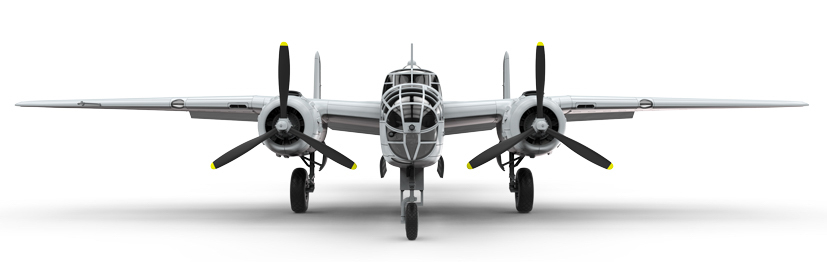
Computer rendered 3D CAD image showing the gull-wing configuration of the B-25C
One of the particular areas that will have challenged our design team on the Mitchell project will have been accurately reproducing the wing profile of the aircraft. Early in to B-25 production, North American engineers introduced a significant modification to the wing design, following some reported stability issues with their first aircraft. These initial aircraft had a constant dihedral across the length of the wing, but determined that their new bomber would be the most effective aircraft of its type, the outer sections were ‘flattened’ somewhat, with a slight anhedral being incorporated to the outer wing area from the engine nacelles outwards. This resulted in the Mitchell inheriting a distinct gull-winged appearance when viewed from the front, which can clearly be seen in the computer rendered CAD image shown above. Less noticeable modifications included an increase in the size of the tail fins and a change in their angle of tilt, which were also required to increase the stability of the aircraft and were all incorporated in the first main production versions of the Mitchell.
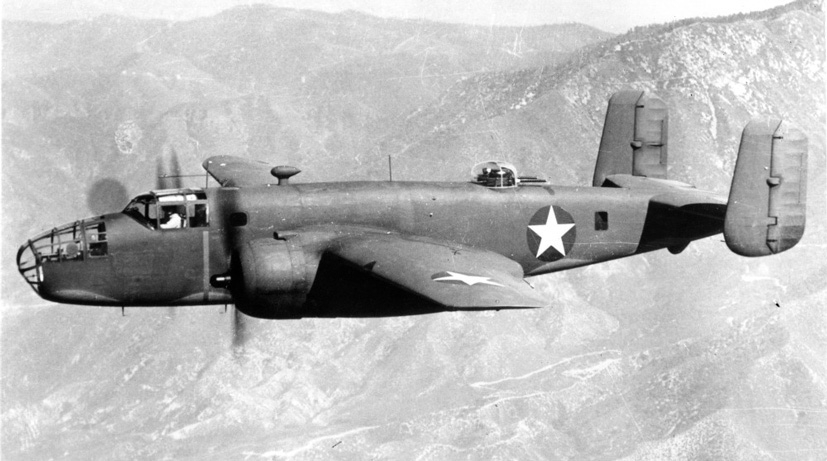
Classic side view of a B-25C, the first large scale production version of the aircraft
The business of producing a new aeroplane is extremely challenging and requires the expertise of a great many people. As the first North American B-25 Mitchell took to the air, it was as a result of no fewer than 195,000 engineering man hours and the production of 8,500 original technical drawings. As they continued to perfect this first aircraft, the impressive Mitchell was already in great demand and released for full scale production in 1941. Following modifications and improvements made to the initial aircraft, which included Plexiglass windows for the navigator and radio operator, increased armament, the addition of de-icing and anti-icing equipment, a flame-dampening exhaust system and the inclusion of a cabin heater, the Mitchell entered full production with the ‘C’ version of the aircraft. These were manufactured at the company’s Inglewood plant in California, but such was the demand for this aircraft, a second production line was established at a government owned plant in Kansas City – these aircraft were given the classification B-25D and were essentially identical to the B-25C models built in California.
This version of the Mitchell was produced in significant numbers, with 1,690 aircraft built by the Inglewood factory and a further 2,290 machines manufactured at Kansas City and represented the second most produced version of the B-25. Interestingly, the North American company were unusual in having designs for a training aircraft, fighter and bomber in full production simultaneously during WWII, which is particularly impressive when considering their first aircraft design only took to the skies on its maiden flight at the end of 1935.
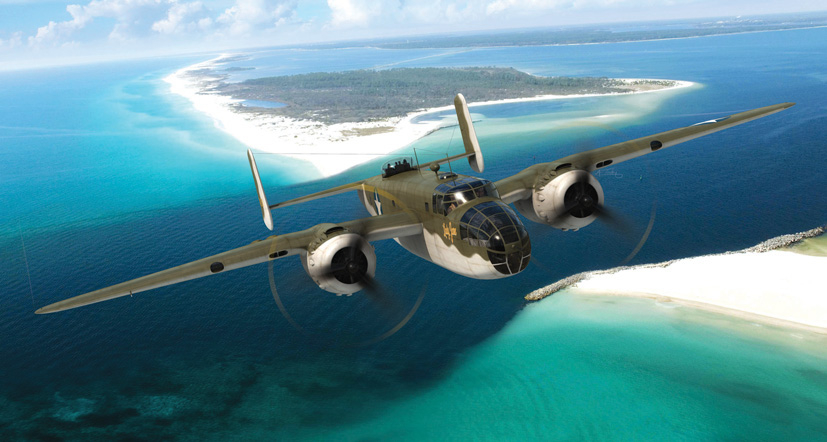
An exclusive first look at the box artwork that will accompany the release of the new North American B-25C/D Mitchell
We are pleased to bring our readers details of the decal scheme options which will be included in the new 1/72nd scale North American B-25C/D Mitchell kit when it is released later in the year. Marking two very different US operated Mitchells, they clearly illustrate the versatility of the aircraft and how it went on to see service in every theatre of the Second World War.
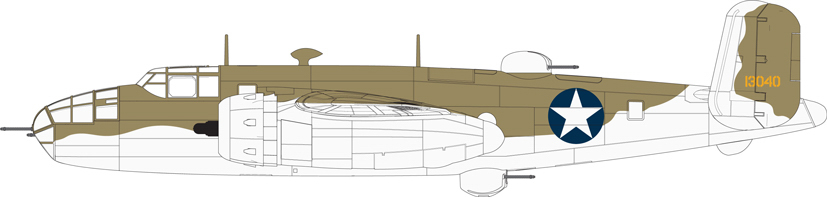
B-25D Mitchell scheme A profile
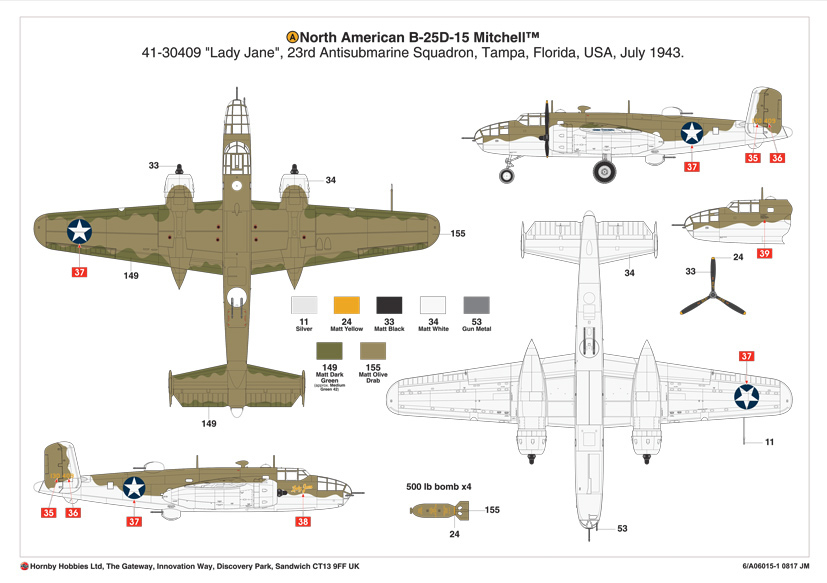
Full scheme details for this US based B-25D Mitchell
North American B-25D-15 Mitchell 41-30409 ’Lady Jane’, 23rd Anti-submarine Squadron, Tampa, Florida, July 1943
Although many of the most famous American aircraft, airmen and squadrons were associated with overseas service during WWII, large numbers of service personnel were required to stay in the US and protect their homeland. In the weeks following the Japanese attack at Pearl Harbor, America became understandably nervous about follow up attacks and the potential of hostile raids against shipping around their significant coastline. The threat of U-boat attacks was very real and following the declaration of war against Germany just five days after the Pearl Harbor raid, Admiral Donitz and his Wolf Packs were already planning raids along the Eastern Seaboard of America. The US military was completely unprepared for the task that they now faced and with such a vast area to patrol and few suitable naval vessels at their disposal, it was felt that aeroplanes would be most effective in deterring the U-boats.

The ungainly looking Douglas B-18 Bolo was also employed on coastal protection duties
Just as the US Navy were unprepared to protect their busy home shipping lanes over the vast area of the American coastline, the aircraft originally available for the task were not particularly suitable. Aircraft of all types were pressed into service, including the Douglas O-43 observation aircraft and the Douglas B-18 Bolo medium bomber, but as the B-25 Mitchell became available, these were immediately pressed into service.
Mounting long maritime patrols, hoping to spot the tiny profile of an enemy U-boat in the vast expanses of the Atlantic Ocean and the Gulf of Mexico, the Mitchell offered their crews a relatively comfortable working environment, the reassurance of a reliable multi-engined aeroplane and excellent all-round visibility – should they spot an enemy vessel, the Mitchell was also a devastatingly effective attack aircraft.
The aircraft represented by the first scheme option detailed above flew with the 23rd Anti-submarine Squadron, 26th Anti-submarine Wing from Drew Field in Tampa, Florida and was engaged in flying protection patrols over the Gulf of Mexico, in conjunction with single engined O-47 observation aircraft. This unit was assigned to the Army Air Forces Anti-submarine Command, who made great use of the extremely capable North American Mitchell, which also flew coastal defensive patrols prior to the establishment of the AAFAC, in the wake of the Pearl Harbor attack. At the peak of their operating power, the Anti-submarine Command had around 25 squadrons at their disposal around the US, until these patrols were taken over by US Navy units. B-25D Mitchell ‘Lady Jane’ wears the attractive and distinctive scheme adopted by many of the AAFAC aircraft, featuring white under-surfaces, with an olive drab and dark green upper-surface camouflage and will make a handsome option for modellers.
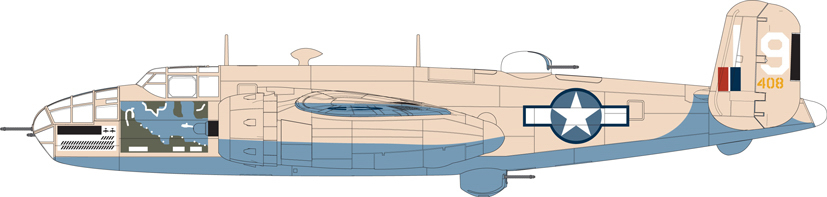
B-25C Mitchell scheme B profile
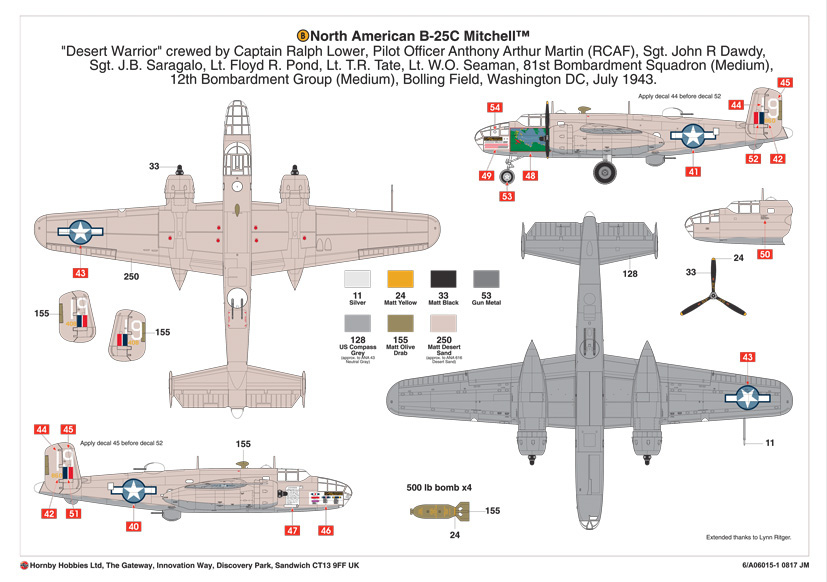
Full scheme details for B-25C Mitchell ‘Desert Warrior’
North American B-25C Mitchell 41-12860 ‘Desert Warrior’, crewed by Captain Ralph Lower, Pilot Officer Anthony Arthur Martin (RCAF), Sgt. John R. Dawdy, Sgt. J.B Saragalo, Lt. Floyd R. Pond, Lt. T.R Tate, Lt. W.O. Seaman, 81st Bombardment Squadron (Medium), 12th Bombardment Group (Medium), Bolling Field, Washington DC, July 1943
The Mitchell saw operational service in every theatre of operations during the Second World War and quickly earned a reputation as a capable, reliable and rugged performer. Also attracting the colloquialism ‘Magnificent Medium’, the B-25 would be operated by many non-US air forces who were keen to secure as many of these effective aircraft as possible and press them into service against Axis forces.
American operated B-25 Mitchells arrived in the Mediterranean Theatre of Operations from October 1942 and were quickly in combat against Rommel’s Afrika Corps at the second Battle of El Alamein. This theatre was one of the most savagely contested during WWII and proved to be extremely fluid, with advances and retreats on both sides being commonplace. Supporting Allied ground operations during this period of the war, US Mitchell Squadrons saw plenty of action, with some individual aircraft quickly racking up an impressive number of mission tallies. This was certainly the case with the aircraft which is represented by the second scheme option to be included with the new B-25 release. North American B-25C Mitchell ‘Desert Warrior’ was a particularly effective aircraft and one of the high mission aircraft in the Mediterranean Theatre of Operation – 41-12860 could boast an impressive 73 combat missions to its name, which totalled an equally impressive 191 combat hours flown. Adding to its list of achievements, the aircraft dropped over 90 tons of bombs and its gunners were credited with the destruction of at least 3 enemy fighters over a relatively short period of combat. This is rather significant, as MTO Mitchells were operating against the best fighter aircraft the Axis air forces had available to them, including the Messerschmitt Bf 109, the Focke Wulf Fw190 and the Italian Air Force Macchi 202 Folgore and 205 Veltro.
The crew of ‘Desert Warrior’ were clearly proud of their achievements and the performance of their capable aircraft, which was adorned with some particularly distinctive artwork. Along with the name of the aircraft, the port side forward section of the fuselage carried mission markings and fighter victories attributed to the aircraft and just behind this, under the cockpit was a colourful and elaborate map of the ETO and indicating some of the targets attacked by the aircraft. There are some wartime photographs that show this particular artwork looking rather pristine, obviously after it had just been applied – interestingly, the rest of the aircraft is noted as being less than pristine and appears to be somewhat war-weary. This is probably due to the fact that the aircraft was assigned a very special mission, but more on that a little later.
The starboard side of the aircraft did not miss out on the special artwork and included a painted scroll containing a citation listing the aircrafts many achievements and a further panel which detailed the decorations which had been awarded to the aircraft’s crew. As ‘Desert Warrior’ proved to be such an impressive aircraft, it was decided that the aircraft and crew would be sent back to the US and embark on a nationwide War Bond tour, using the achievements of the aircraft and her crew as a focal point to drive the collection of much needed funds during the summer of 1943.
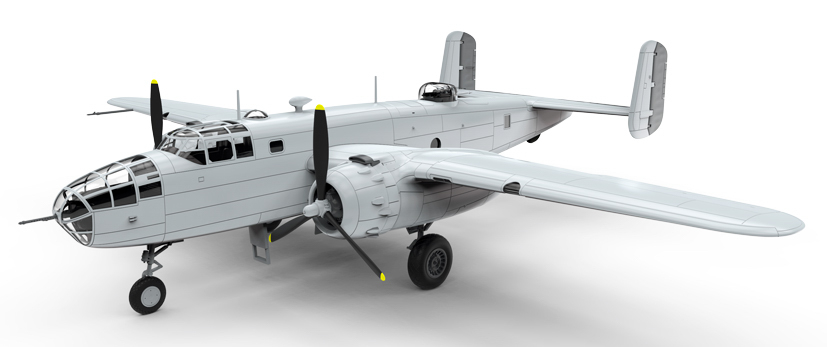
The new 1/72nd scale B-25C/D Mitchell will be a popular addition to the Airfix range
The RAF were significant operators of the North American Mitchell and were the only Air Force to use the aircraft on raids into occupied Europe from bases in the UK. The Americans elected to use the slightly faster Martin B-26 Marauder for this task, although at least one B-25 was reported to have been used by the Eighth Air Force in England, used as a personal hack and communications aircraft at various stations around the country and not on operations over Europe. British variants of the Mitchell were known as the Mitchell II (C/D models) and Mitchell III (J models), with the British eventually being supplied with around 800 aircraft.
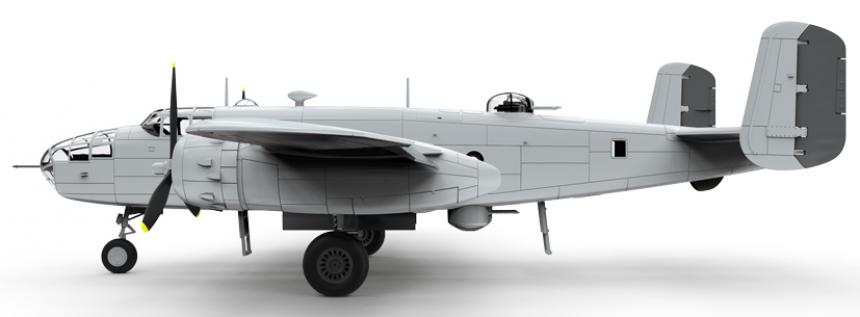
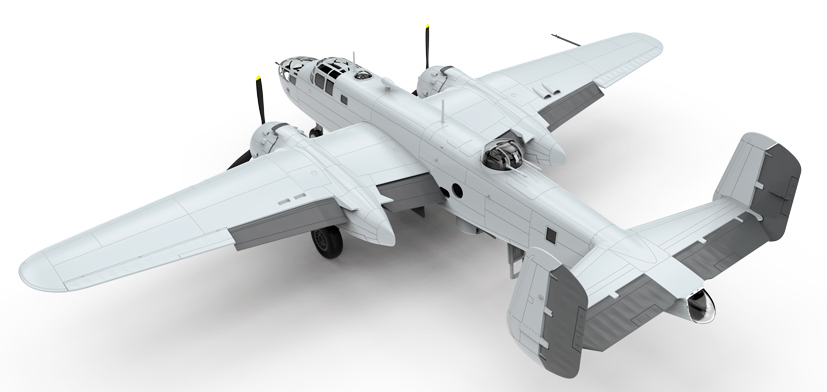
As our exciting new Mitchell project continues towards its release date, we are pleased to bring workbench readers yet another Airfix modelling exclusive and allow you a first look at the initial test frame components from the new kit. Regular readers will be fully aware how important this stage of the development process of any new kit can be, as it allows the designers to assess the effectiveness of the tooling block, check the quality and finesse of the individual components and allow test builds of the model to be completed. Only received as we were putting the finishing touches to this latest blog, we would like to thank our always supportive company photographer David Mather for his sterling efforts in ensuring we were able to bring you these images within this Mitchell update.
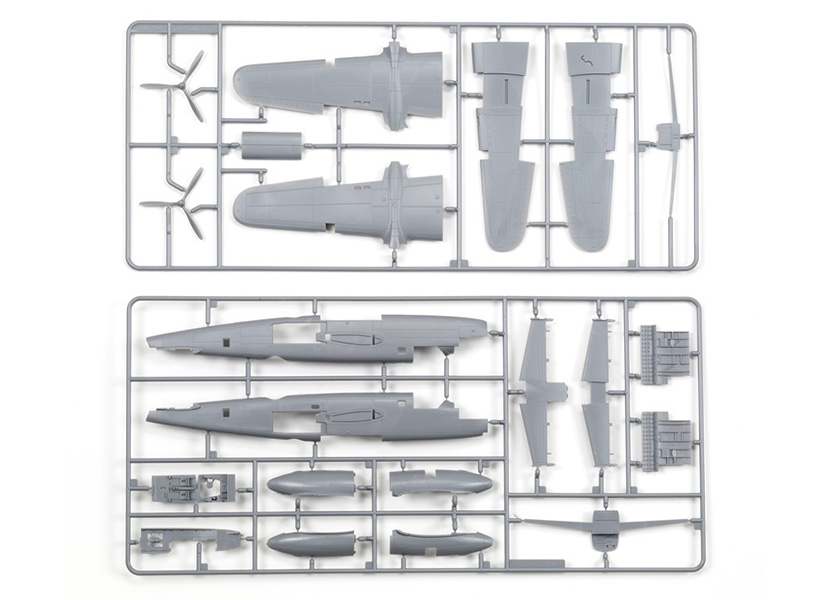
A selection of exclusive images showing the first test frames from the new 1/72nd scale North American B-25C/D Mitchell kit
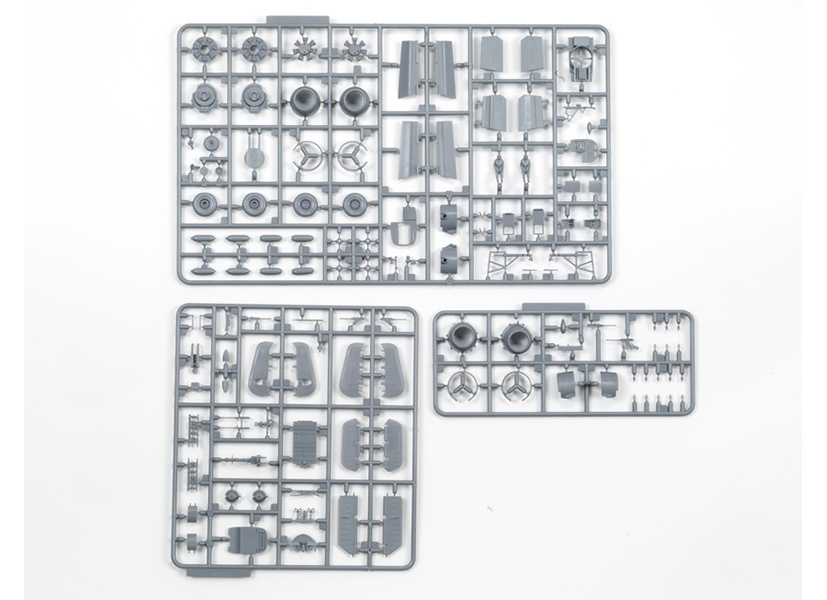
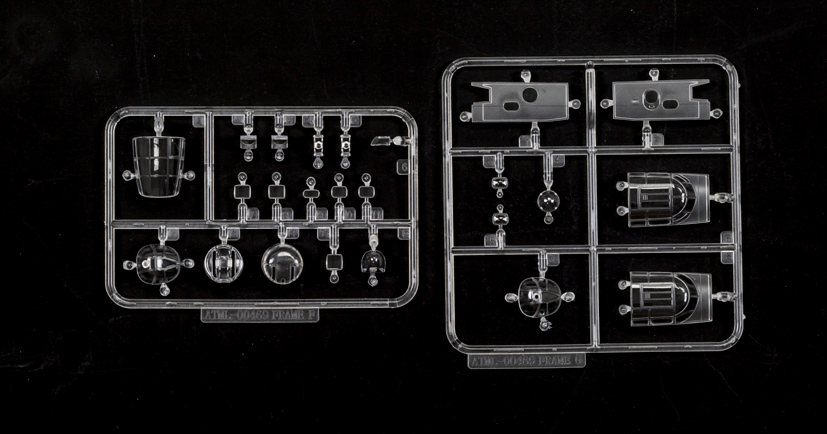
As we always encourage, please check the Airfix website for the very latest release information regarding the new Mitchell, which is currently scheduled for a November release and will surely be sitting on many a work station over the forthcoming festive season.
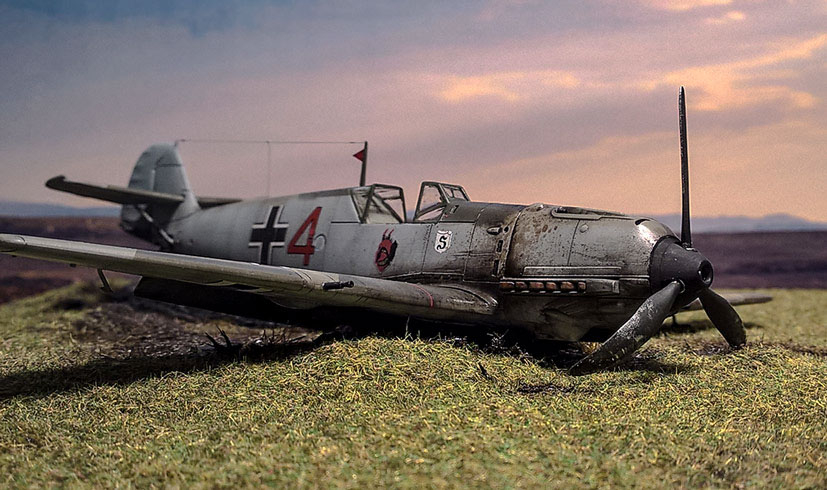
This magnificent crash diorama project took its inspiration from a wartime photograph
In the previous edition of Workbench, you may recall that we brought you pictures from the latest Customer Images competition winner and his magnificent 1/72nd scale Bf 109E crash diorama. Well, the winning modeller, Andreas Fey from Germany was so pleased with his victory and to see his model displayed on our blog that he contacted us with more pictures and a little history behind the project itself. He told us that he used a little ‘modeller's licence’ in the production of his diorama, which was inspired by a wartime photograph he had seen of a Messerschmitt Bf 109E which had ditched on a beach in northern France, following combat damage sustained during the Battle of Britain. A number of fellow German modellers pointed out the inaccuracies in the historical accuracy of the build, but Andreas was looking to use the original Bf 109 ‘Red 4’ image more for inspiration than the basis of a faithful recreation.
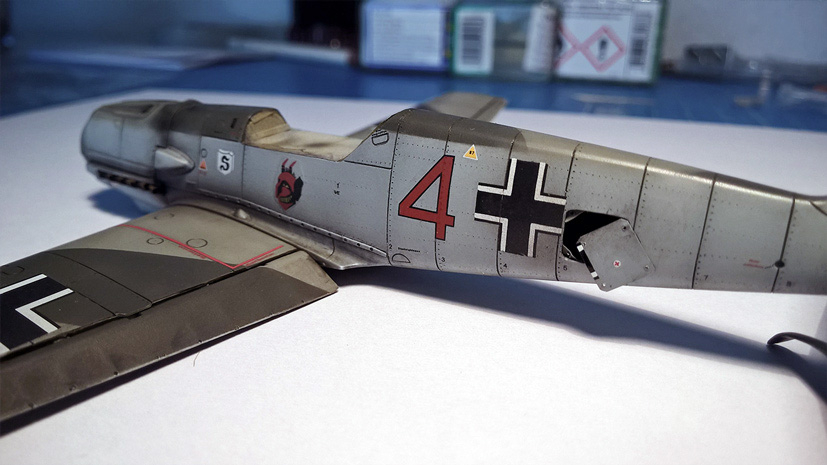
Two images which show how much detail Andreas incorporated in his build
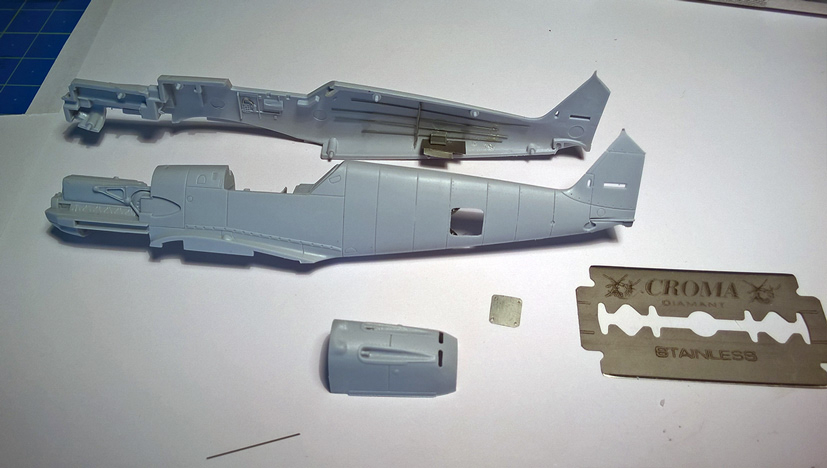
The finished model certainly displays Andreas’ abundant modelling talents and is a fascinating take on a model build – many readers have already commented that they actually prefer this representation of the Messerschmitt as opposed to a straight kit build, presenting the aircraft as a slightly unrealistic pristine factory fresh machine. In any case, Andreas was happy to share his project with us and hopes it will serve as inspiration for other Workbench readers. He also told us that he started building Airfix models at the age of eight and is still happily enjoying his hobby having just turned fifty – he has another interesting Airfix 1/72nd scale project on the go and has promised to send build pictures to us for inclusion in a future edition. We very much look forward to that and once again thank Andreas for allowing us to include his Messerschmitt pictures in Workbench.
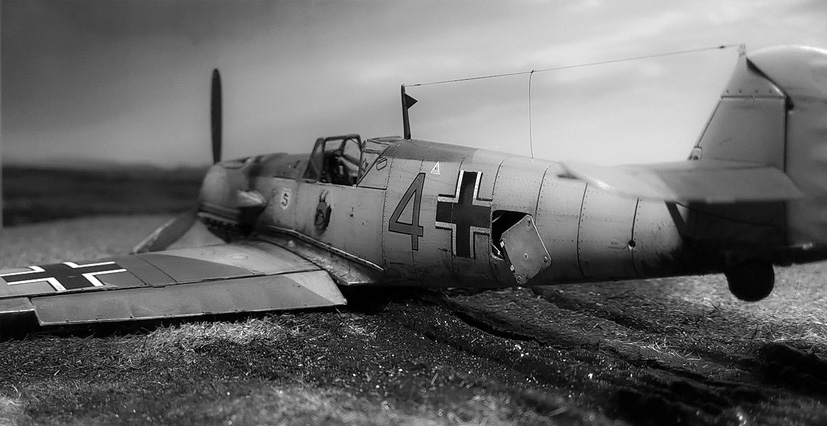
This black and white view of the model diorama looks extremely effective
As the nights begin to draw in and the holiday season is well and truly over, we can really start to think seriously about this year’s modelling extravaganza that is the annual IPMS (UK) organised Scale Modelworld show at the Telford International Centre in Shropshire. Now billed as the world’s greatest fine scale model show, the event has now taken on legendary status with modellers from all across Europe and organisers are once again expecting attendance figures to be extremely healthy, as our beloved hobby continues to enjoy something of a renaissance. The Airfix team have now finalised their plans and are looking forward to meeting Workbench readers from all over the country – please do pop along and see us and don’t forget to mention our blog.

The Airfix stand will be positioned in our usual spot in Hall 1 and we will once again be operating our popular Make & Paint area for anyone looking for a little modelling respite, or to introduce their youngsters to the delights of Airfix modelling. Our stand will be crammed full of interesting Airfix projects, feature builds and prototype models and will of course be manned by the knowledgeable and extremely passionate people whose work we love to tell you about within Workbench. Of great interest to readers and everyone attending the show, we can exclusively reveal that we will be continuing our popular tradition of unveiling a new 2018 model tooling at the show. We will bring you more details regarding announcement timings in a future edition of Workbench, but please don’t worry if you are unable to make it to Telford, as the Airfix Facebook channel will also announce the new model simultaneously with the event announcement. With all the latest new models available for inspection and competitions with unique Airfix prizes up for grabs, the Airfix stand is one you will definitely want to visit at this year’s show.
We look forward to bringing you further details of our plans in future editions of Workbench.
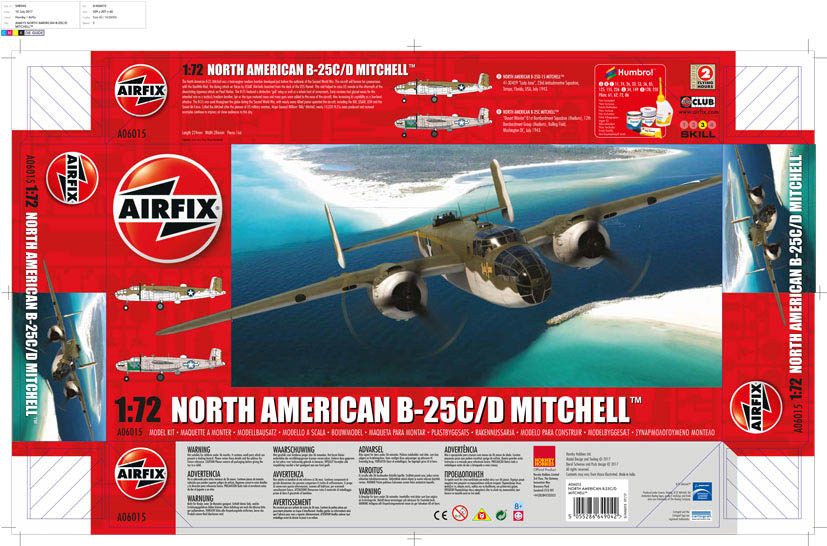
A final exclusive look at the forthcoming B-25 Mitchell box artwork
That’s all we have for you in this latest instalment of our blog. We are always interested to hear what our readers have to say and are grateful for any modelling features or build pictures you may care to send us. There are several ways you can contact us, including our dedicated e-mail address workbench@airfix.com and of course the Workbench thread over on the Airfix Forum.
If social media is more your style, you could access either the Airfix Facebook page or our Twitter channel, using #airfixworkbench where you will find plenty of modelling news, views and discussion. Whichever medium you decide to use, please do get in touch, as it is always interesting to hear from fellow modelling enthusiasts and the projects you have on the go at the moment.
Finally, the Airfix website is the place where you can always find all the latest model release information, with our New Arrivals, Coming Soon and Last Chance to Buy sections all accessed by clicking on the above links. As updating the website is a constant process, a quick search through each section of the Airfix web pages will reveal new information and updated images in many of the product sections and this is always an enjoyable and rewarding way to spend a few minutes.
The next edition of Workbench is due to be published on Friday 29th September.
Thank you for your continued support of our Airfix Workbench blog.
The Airfix Workbench Team
Hornby Hobbies Ltd. All rights reserved.