Welcome to this latest edition of Workbench and all the news, updates and exclusive announcements from the fascinating world of Airfix modelling.
At this extremely busy time of year, we simply have so much going on in the world of Airfix that our usual Workbench format of following a new model project from announcement to the eve of release has been forced to take something of a back seat. In order to get back to a position of parity and to prepare for the January announcement of the 2020 range, we are in need of a little development catch-up, so this latest edition of our blog will be confirming the final box artwork details of one new kit which is already setting the modelling world alight and one which is destined to do something similar in a few week’s time.
In addition to this, we are including a feature from this year’s Scale Modelworld show and one of the significant themes running through many of the impressive model displays at the event, the 75th Anniversary of the D-Day landings. With identification markings everywhere, we also look at several of the armour dioramas we saw at Telford this year, many of which featured classic Airfix kits, a number of which are due for imminent re-release. First though, we are talking early ‘D’ model Mustangs and an aviation mount of aces.
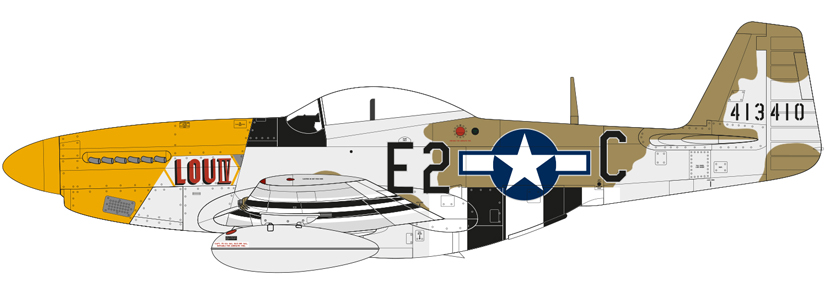
With its prominent position as one of the great fighting aeroplanes Second World War, the North American P-51 Mustang has long been a favourite with Airfix modellers and for many years now, the majority of our kit ranges have included examples of Mustangs in one scale or another. The Airfix team announced the development of a newly designed 1/48th scale P-51D Mustang kit back in 2016 and since that date, the various releases from this tooling have proved incredibly popular, with each one quickly selling through and requiring to swift re-run to satisfy an insatiable demand for this beautiful kit. The latest release from a tooling which is already being regarded as an Airfix classic (A05138), presents the ‘D’ model variant of the Mustang in a strikingly different guise, that of an early ‘filletless’ tail example.
For an aircraft which earned such a significant combat reputation during the Second World War, it’s achievements are made all the more remarkable when considering the Merlin engine powered versions of the Mustang only arrived in the European Theatre of Operation during early 1944. These B and C variant fighters presented the USAAF with the ability to escort their bombers deep into enemy occupied Europe and American pilots an aircraft which would prove the equal of anything the Luftwaffe could send up to face them. The Mustang helped to turn the tide of the air war in Europe and the Allies were not about to let their hard fought advantage slip.
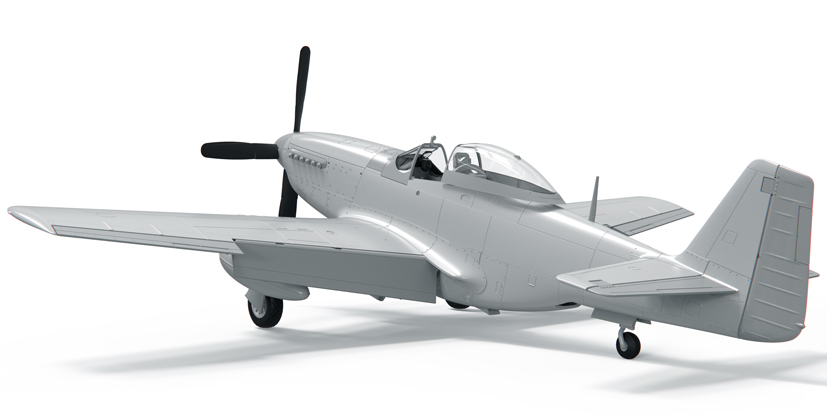
Appearing in the skies above Europe only a few short months after the first B and C model Mustangs had been introduced and certainly the one which is now familiar to most people, the definitive ‘D’ model introduced a larger wing area, bubble canopy and reduced rear fuselage profile for this impressive fighter. Producing a cleaner looking aircraft, the low back fuselage initially caused some unwelcome handling difficulties, a problem which was quickly remedied by the addition of a ‘tail fillet’ section fitted to existing early D models in the field and included as standard on all future new build Mustangs. As a consequence of this, only a relatively small number of the ‘filletless’ Mustangs were produced, however, they are an attractive and extremely important part of the North American P-51 Mustang story and one which can now be told in a modelling sense with the release of this new kit.
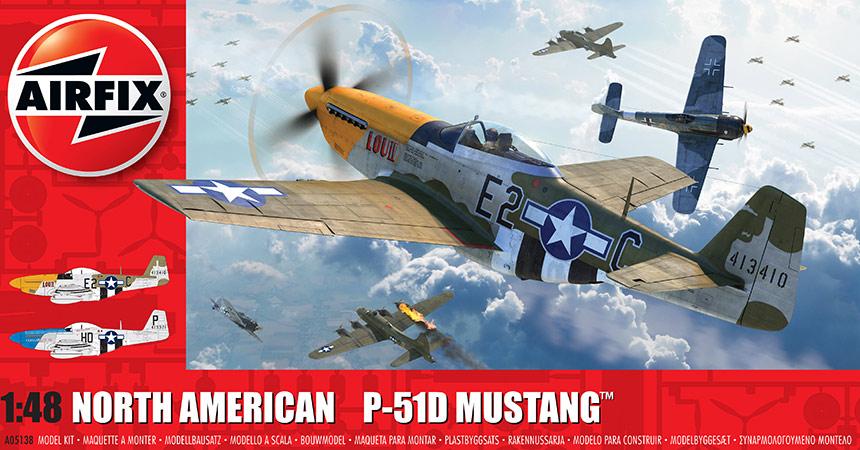
The latest release from our relatively new 1/48th scale Mustang tooling includes an additional component frame which allows the modeller to produce this distinctive early ‘filletless’ D model variant of the fighter, something a little different for any WWII aircraft model collection. The beautiful box artwork which accompanies this release is being shown on the Workbench blog for the first time, but as this interesting new kit is already available in model shops everywhere, this evocative image has certainly helped to make this one of our most popular releases of the year and one which will no doubt find itself under many a Christmas tree this coming festive season. Let’s take a closer look at the details behind the aircraft featured on the box artwork, one of the two scheme options included with the kit.
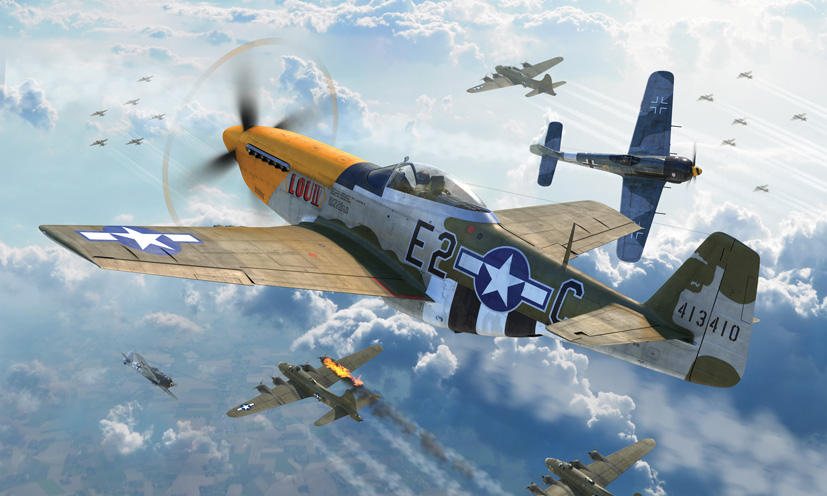
North American P-51D Mustang 44-13410/E2-C was the personal mount of Col. Thomas Jonathan Jackson Christian Jr., Group Commander of the 361st FG the ‘Yellow Jackets’ and great grandson of famous Confederate Civil War general ‘Stonewall Jackson’. His aircraft was named ‘LOU IV’ after his daughter Lou Ellen, who had been born back in his home city of Dallas, whilst he was in England on active duty. The name was carried on the port side of the forward fuselage, with the starboard side displaying a different name - ATHELENE, which is thought to have been the name of the wife or girlfriend of the aircraft’s crew chief, S/Sgt. D Jameson’s.
This Mustang is interesting for many reasons, not least of which is the fact that it features the much more prominent full yellow nose of the 361st Fighter Group, markings which would be applied to the rest of the group’s Mustangs during August 1944. ‘LOU IV/ATHELENE’ also has its top D-Day identification markings overpainted using a lighter shade of olive drab on both the wings and horizontal stabilisers, making this a particularly attractive post D-Day example.
Tragically, like so many airmen who served during the Second World War, Col Thomas JJ Christian Jr. would not survive the fighting and was lost whilst flying his famous Mustang ‘LOU IV’ on 12th August 1944. Engaged on a mission to support a large Eighth Air Force raid against targets in northern and central France, he was last seen leading a bombing attack against the railway marshalling yards at Boisleux au Mont, just south of Arras - eyewitnesses reported seeing a yellow nosed Mustang which had lost a wing and crashed whilst making its attack run.
Although Christian had not been credited with any aerial victories, he was an exceptional pilot and leader of men, with more than 70 combat missions over Europe to his name and the recipient of several decorations for valour. His Mustang ‘Lou IV’ did have two Luftwaffe fighters to its name, but these victories occurred whilst the aircraft was being flown by other pilots.
Our latest North American P-51D Mustang kit A05138 is available now on the Airfix website and at all good model stores.

Another 2019 kit announcement which features a relatively new model tooling and also includes an additional frame of part options, the Messerschmitt Me262A-2a ‘Sturmvogel’ A03090 is currently inbound from the manufacturing plant and destined for release over the next few weeks. Like the Mustang featured above, the Me262 was one of the most advanced aircraft of the Second World War and only entered service during the final months of the conflict. Harnessing the blistering speed offered by jet propulsion, the Messerschmitt is arguably one of the most important aircraft in the history of flight, but by this stage in the war and with Germany suffering defeats on all fronts, this magnificent aircraft proved to be nothing more than an aviation case of too little, too late.
With the performance of the Me262 jet fighters already having a devastating impact on the massed bomber formations attacking targets in Germany, a decision was taken to develop a high speed bomber variant of the aircraft, one which was capable of mounting daring attacks at speeds which made the jet bomber almost impervious to interception by Allied fighters and rendering anti-aircraft fire almost useless.
The ‘Sturmvogel’ or Storm Bird was developed specifically to launch devastating strike missions against any Allied invasion of Northern France, one which the Germans knew would be coming before long. Able to avoid interception, large numbers of these high speed jet bombers would be hurled against the landing beaches, wreaking havoc amongst enemy forces and stalling the progress of the invasion until German ground forces could be rushed to the area and drive the Allies back into the sea. Although this sounds like a perfectly plausible strategy, by the time the aircraft was ready to undertake such strike missions, the Allies had already broken out from their landing beachheads and were driving German forces back towards their homeland.
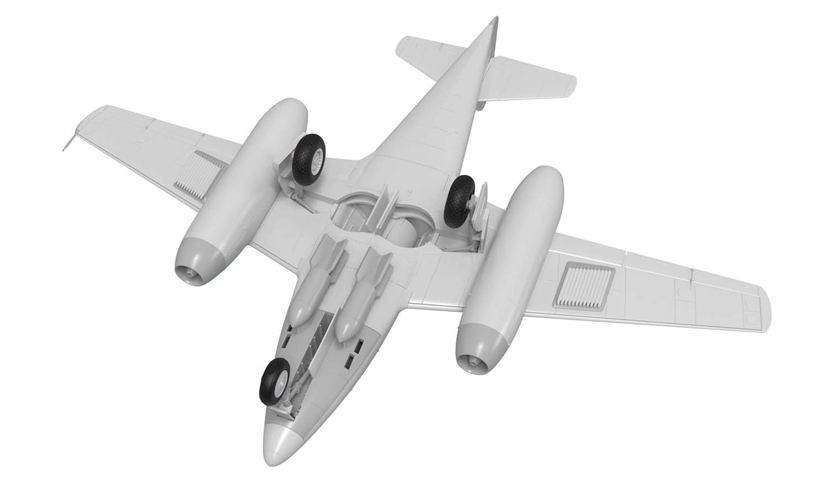
Marking this important ‘Schnellbomber’ variant of Germany’s famous WWII jet, the new kit will include scale representations of the ETC 503 bomb racks which were carried under the nose of the aircraft, just forward and either side of the rear of the front undercarriage door. Each rack was capable of carrying a 500kg bomb, although only a single bomb of this size could be carried operationally – the more usual configuration was for two 250kg blast or fragmentation bombs to be carried, depending on the type of attack mission being flown.
In order to save weight, the top two MK 108 30mm cannons were removed from the nose of the Me262, as was some of the aircraft’s armour plating , all of which allowed the jet to maintain its impressive performance. If the aircraft needed to revert to its more usual interceptor role, the machine guns could easily be replaced and the bomb racks removed, giving the Messerschmitt a true multi-role capability.
As one of the most distinctive aircraft of the Second World War, the shark-like Messerschmitt Me 262 pointed to the future of aviation technology and much of the information gathered during its development would find its way into many of the jet powered aircraft designs introduced by the victorious Allied nations in the immediate post war years. This new kit will allow us all to build an accurate scale representation of this less common variant of the Luftwaffe’s famous WWII jet and one which will sit perfectly next to the previously released fighter variants of the aircraft. Certain to be a popular addition to the range, Messerschmitt Me 262 'Sturmvogel' A03090 is currently still available for pre-order and is scheduled for release in just a few week’s time.
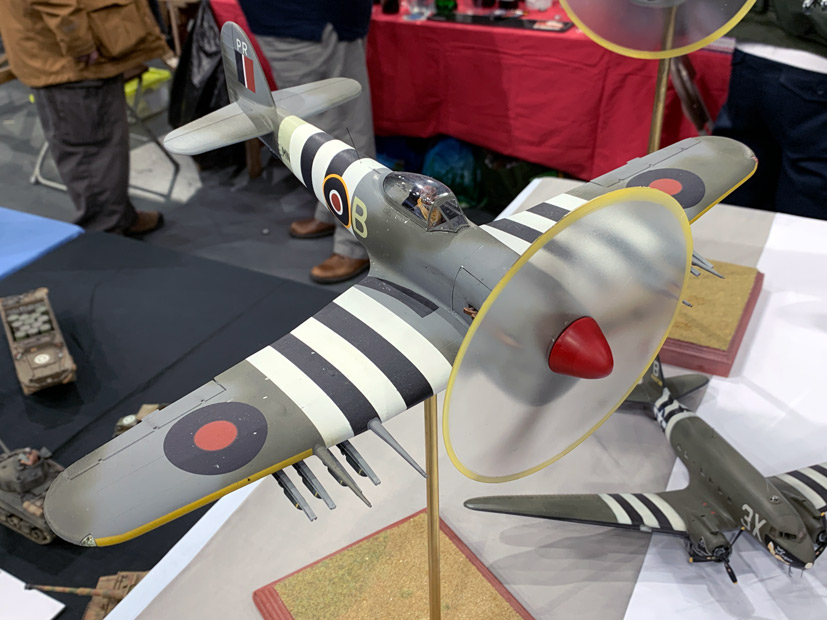
Anyone who has been fortunate enough to have attended one of the annual Scale Modelworld shows at Telford’s International Centre will probably agree that it can often be quite a challenge to get around the various display halls and enjoy all the varied displays which are arranged for our viewing pleasure, even if you do stay for both days of the show. With a bewildering array of individual Special Interest Groups and IPMS branches all vying for our attention, most will have challenged their members to build models to a theme over the previous twelve months, with the end of the latest show signalling the start of yet another busy themed build schedule.
Although most displays will clearly be governed by the name of the particular group itself, such as the Lightning SIG, who have a modelling infatuation with English Electric’s finest, general model groups from around the country have a little more flexibility with their display themes, should they decide to choose one. As this year’s show was taking place during the 75th anniversary year of the D-Day landings, many visitors would have been expecting to see plenty of Operation Overlord themed displays and whilst there were one or two to enjoy, perhaps not as many as we may have anticipated. Having said that, the ones we did see were extremely effective and encompassed both the aircraft and ground vehicles which took part in this famous battle.
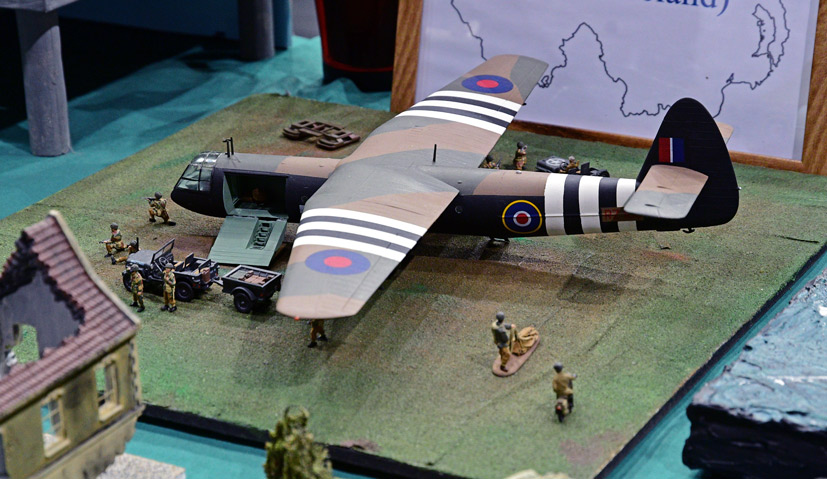
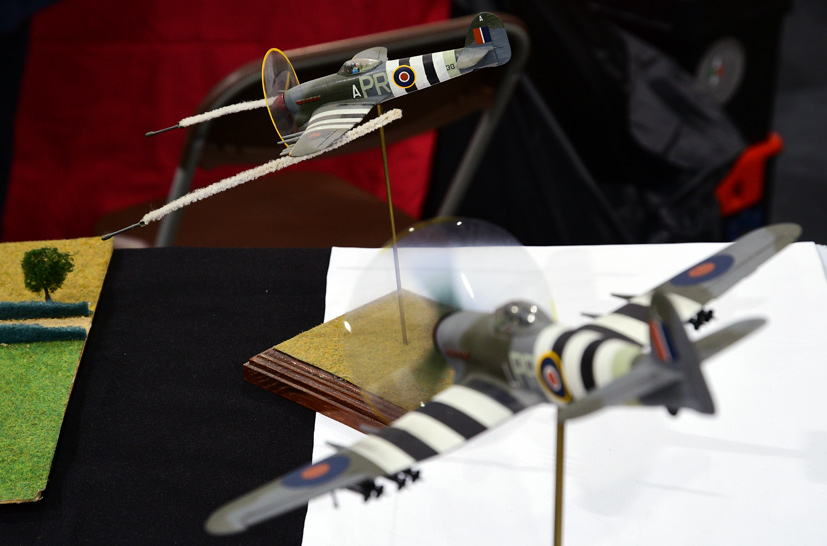
In this selection of Telford 2019 D-Day images, we will begin by looking at the aviation modelling tributes to the 75th Anniversary commemorations, before moving on to tanks, ground forces and dioramas which all share the D-Day theme.
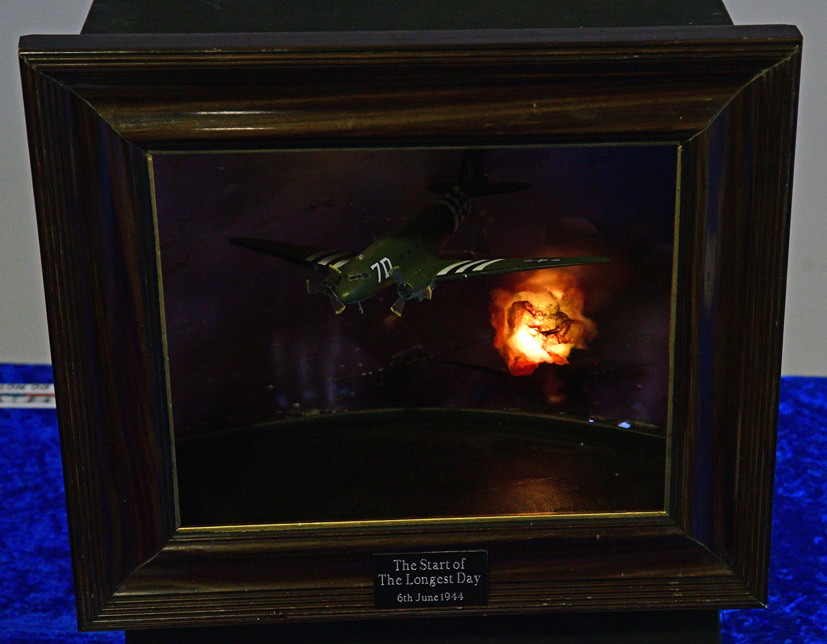
One of the first duties for a senior member of the Airfix product design team on the Saturday of the show is to adjudicate the many fantastic model entries in the Airfix Trophy competition, an enjoyable, if slightly daunting task for the designer selected. As this work can often take several hours to complete effectively, you can’t help but be distracted by some of the impressive non-Airfix entries on display and in this D-Day anniversary year, one extremely imaginative 3D picture diorama certainly took our eye. Entitled ‘The start of the Longest Day’, it features a C-47 Skytrain having just released its cargo of brave paratroopers over its allotted drop zone and has survived a close call with a well-aimed flak burst. With the entire diorama set in the dead of night, the bursting flak LED provides just enough light to allow you to see other C-47s in the background, along with many opening parachutes in their wake – incredibly imaginative, the diorama proved to be a poignant tribute to this year’s D-Day commemorations.
Here is a further selection of aerial D-Day modelling.
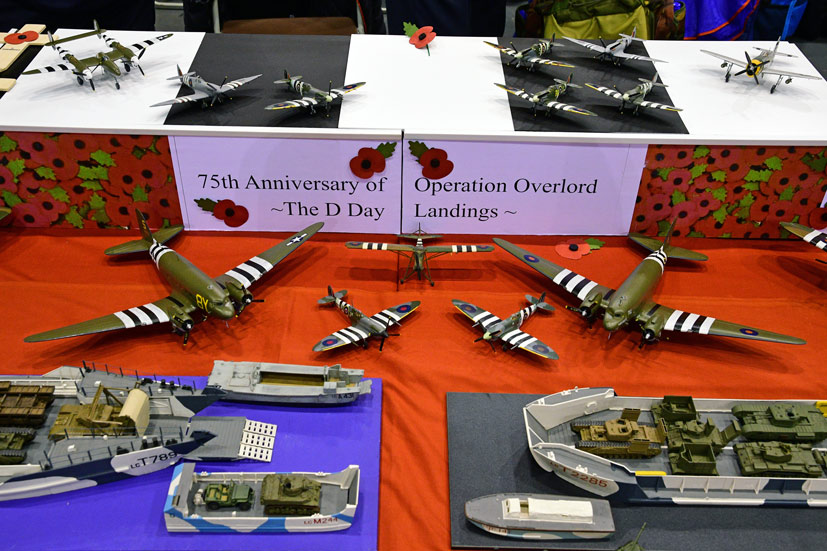
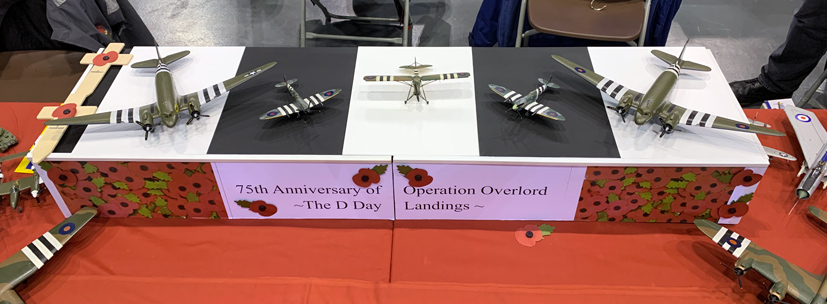
Although the air operations in support of the D-Day were undoubtedly extensive, most people associate D-Day with the amphibious landings themselves and the struggle of Allied forces in fighting to get off their landing beaches. Replicating these actions in modelling form, the display produced by members of IPMS Northern Ireland was certainly amongst the most impressive and incorporated many contributions loaned to them for the duration of the show by our old friends, the Airfix Modelling SIG. With a plethora of individual model displays on the stand, the team also featured several evocative diorama displays which proved incredibly popular over the weekend and attracted the attentions of many modeller/photographers.
Amongst the magnificent dioramas they had on display, they featured a stunning Allied pontoon bridge complete with military vehicles, a beach landing diorama and a German Tiger Tank hiding in a ruined building, just waiting to spoil some Allied tank commander’s day – there was also a complete display of D-day identification marked aircraft of all shapes and sizes to admire.
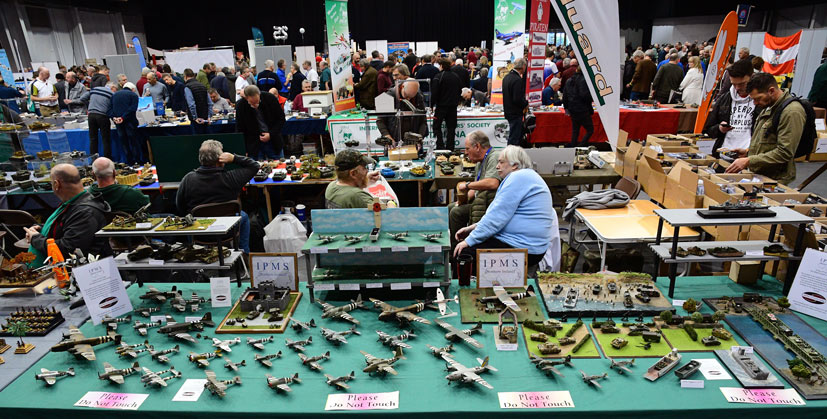
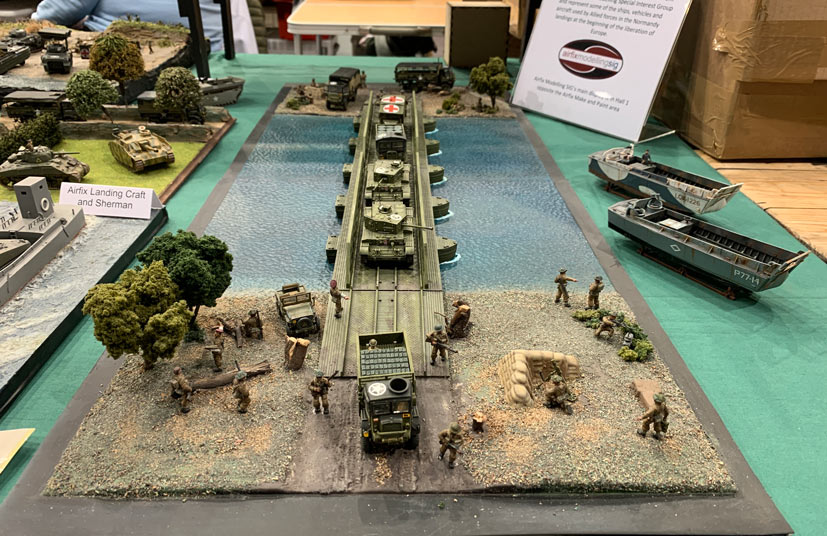
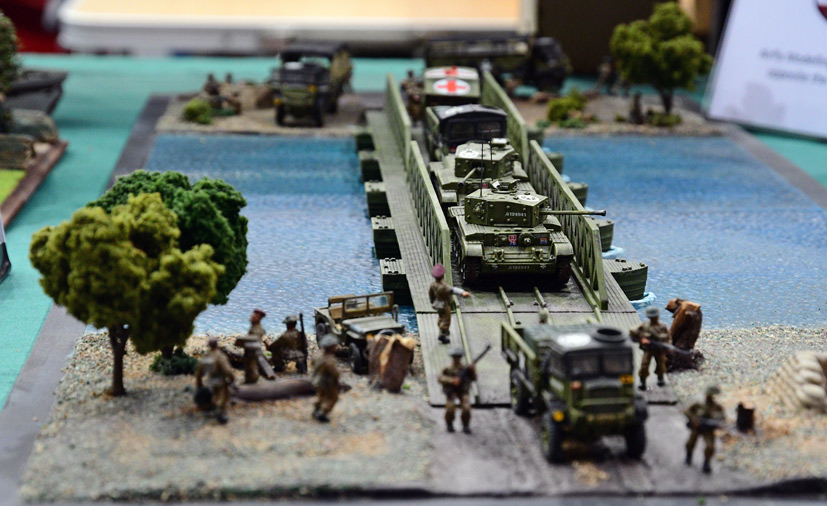
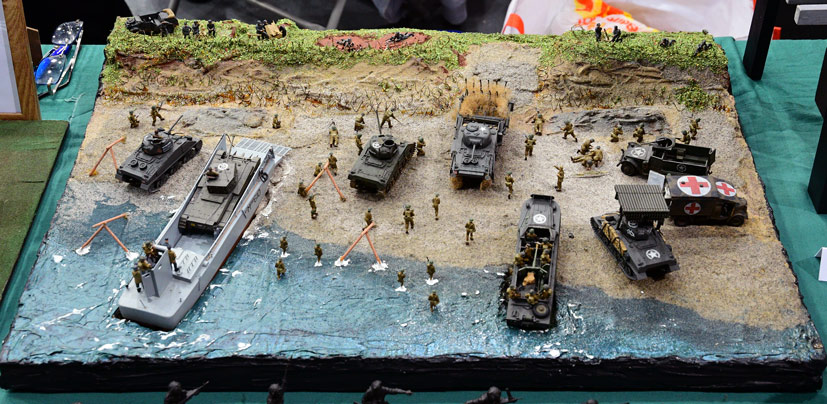
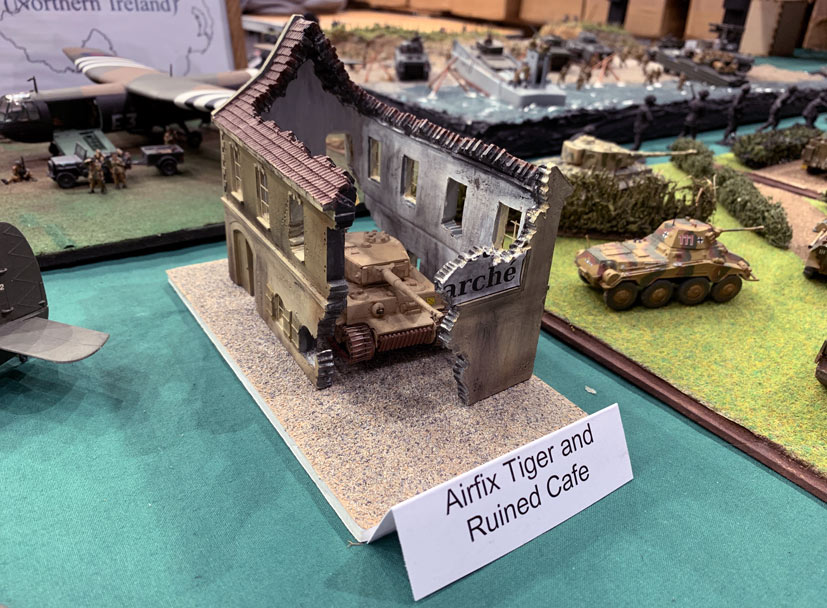
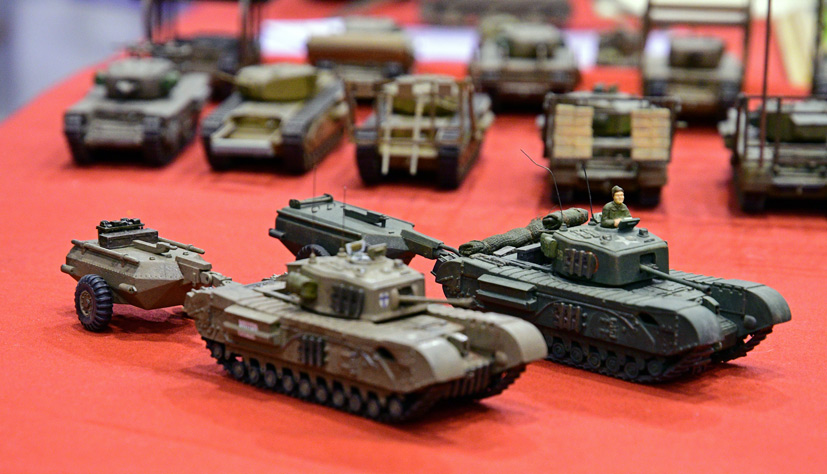
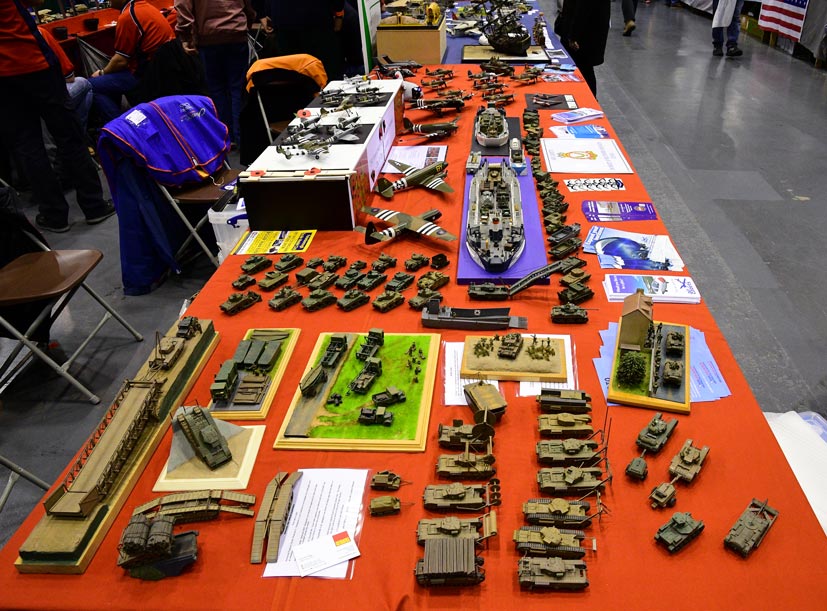
This magnificent selection of images features displays arranged by IPMS Northern Ireland, the Airfix Modelling SIG and the Air Cadets - Dorset & Wiltshire Branch IPMS. It was great to spend time with members of each team and we are grateful you allowed us to include images of your displays on our Airfix blog – we will be seeing more from each of these groups in future editions of Workbench.
We are afraid that’s all we have for you in this latest edition of Workbench, however, we will be back as usual in two weeks’ time with a further selection of Airfix modelling delights for your enjoyment. If you have any suggestions for subjects you would like to see covered in a future edition, please use this workbench@airfix.com link to contact us.
In between new editions of our blog, the Airfix conversation continues over on our Airfix Forum Worbench thread, with further discussions taking place on both the official Airfix Facebook page and the Airfix Twitter channel - please do get involved in the discussions and let us know what you think about Workbench.
Whenever you decide to visit, the Airfix website is always the place to be for all the latest model availability information, previous editions of our blog, a selection of modelling tips and much more.
The next edition of Workbench is due to be published on Friday 20th December, when we will have more interesting features from the world of modelling.
Thank you for continuing to support our Airfix Workbench blog.
On behalf of the entire Workbench team, thank you for your continued support our Airfix blog.
The Airfix Workbench Team
© Hornby Hobbies Ltd. All rights reserved.